
From Gloss to Glamour: Exploring Cast-Coated Paper in Print
In the world of print, first impressions matter—and few materials deliver visual impact quite like cast-coated paper. Known for its mirror-like gloss and ultra-smooth surface, cast-coated paper has become a go-to choice for premium packaging, labels, and high-end marketing materials.
What Is Cast-Coated Paper?
Cast-coated paper is produced through a specialized finishing process in which a coated paper is pressed against a highly polished, heated drum. As it dries in contact with the drum, the coating “casts” the drum’s surface, resulting in an exceptionally smooth and glossy finish that surpasses standard gloss or art papers.
Why It Stands Out
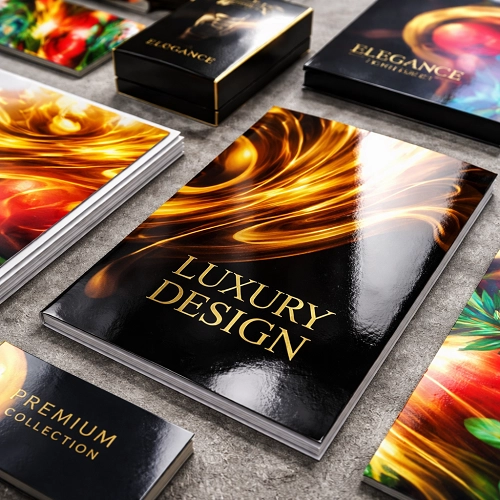
The defining feature of cast-coated paper is its shine—almost reflective—paired with excellent ink holdout. This means colors appear richer, blacks look deeper, and fine details remain crisp. Because ink sits on the surface rather than soaking in, printed images have a sharp, high-contrast appearance that immediately draws the eye.
Common Applications
Thanks to its premium look, cast-coated paper is often used for:
- Luxury product packaging
- High-end labels (cosmetics, beverages, specialty foods)
- Promotional cards and tags
- Covers for catalogs or brochures where visual impact is critical
It’s especially popular when brands want to signal quality, exclusivity, or sophistication at a glance.
Considerations Before Choosing It
While visually stunning, cast-coated paper isn’t always the most practical choice. It can be more expensive than other coated papers, and its slick surface may pose challenges for writing, folding, or certain binding methods. Designers and printers typically reserve it for projects where appearance outweighs utility.
A Material That Makes a Statement
Cast-coated paper isn’t subtle—and that’s the point. When used thoughtfully, it elevates print from ordinary to striking, transforming simple designs into tactile, light-catching experiences. For brands and creators chasing maximum visual impact, it remains one of the most dramatic paper choices available.